
Flax and spring were never just about agriculture in Europe - they were always a bit of magic too. There is a thread running between farming rules, rituals and stories of the gods that reaches all the way to us and our 1 square metre of flax.
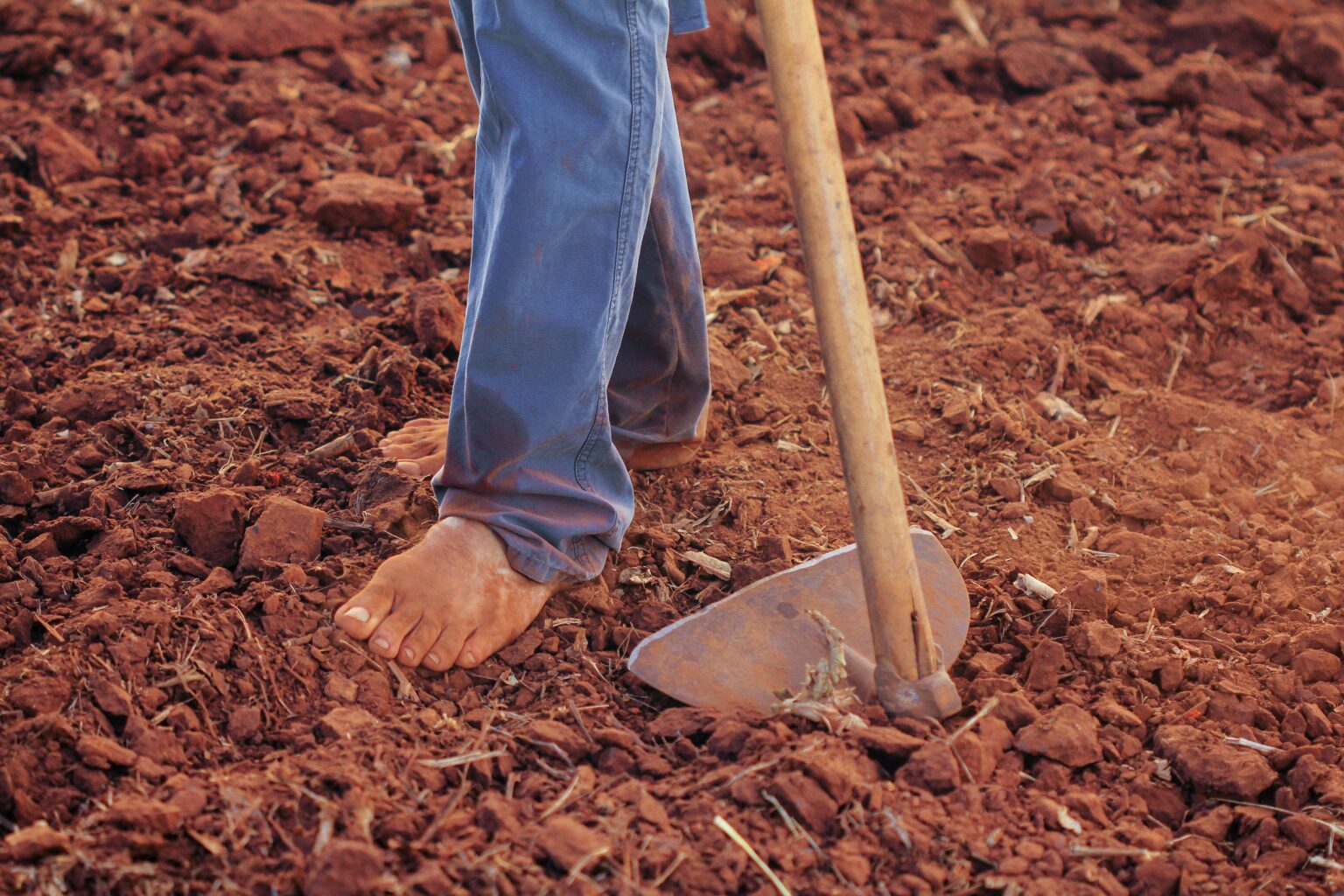
In many regions, the sowing itself was accompanied by rituals: Sowing was done barefoot, close to the soil, often with a small twig between the teeth so that no one spoke while sowing - because words could disturb the good growth. A clean seed cloth for the seed was taken for granted, as was the snow-white shirt of the farmer sowing: purity, care and a little magic were supposed to fall into the furrow as well
So that the flax knew how high it should grow, a stick was placed in the centre of the field - a kind of natural yardstick pointing to the sky. And because good growth also has something to do with good food, in some traditions a large pan of fried eggs was part of the sowing day: The egg, as a symbol of life and fertility, was supposed to give the seed strength.
Protective spells and silent crosses
There were always small protective rituals associated with flax cultivation. Folklore collections contain crosses in the ground, consecrated branches at the edge of the field and sayings against the „evil eye“ so that no one would bewitch the flax or „pull“ the harvest. Especially in the sensitive phase after sowing, the field was a place where labour and superstition went hand in hand.
Lithuanian flax gods
A look at Lithuania shows just how important flax once was: There it was given its own Deities. In Lithuanian mythology Vaižgantas about flax and hemp - a rural deity who symbolised the prosperity of fibre plants. His name is associated with „fruit guardianship“: someone who protects yield and growth.
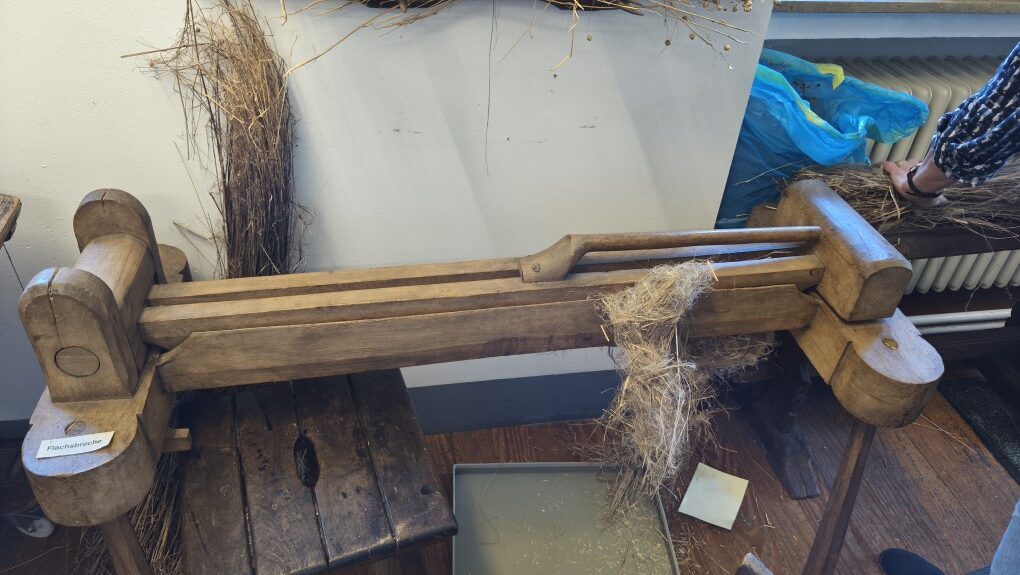
He is supported by Gabjauja, a goddess of harvest and wealth who stands in close proximity to the hearth fire goddess Gabija. She watches over the filled barns, The god of flax is a deity who is in charge of supplies and abundance - exactly what a good flax year should mean in the end: security, warmth, cloth on the loom. In some traditions, there is even a separate deity just for flax. Flax hackles - an indication that even individual processing steps were considered sacred.
And we today - with 1 square metre of canvas
Perhaps our flax no longer needs any gods, magic wands or fried egg magic. But the stories behind them tell something important:
that flax was never „just“ a crop, but part of a larger whole - of community, the course of the year, hope and provision.
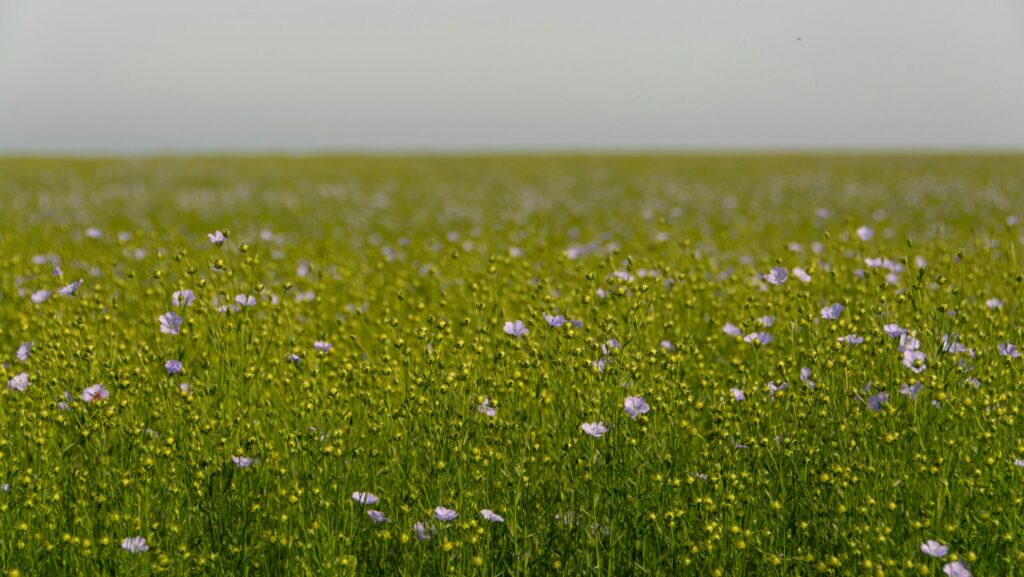
When we grow 1 square metre of flax together today, we tie in a little with these old threads. We observe the sky, the soil and the right time again. We share experiences instead of hiding them in old books. And perhaps this will give rise to completely new rituals - your own little flax customs in spring.



 Deutsch
  English (UK)